unique composites

What Is Unique Composites in Modern Manufacturing?

Unique composites represent the next evolution in material engineering, combining diverse fibers and resins to create structures that are stronger, lighter, and more versatile than traditional materials like steel or aluminum. For procurement professionals, these advanced materials offer a pathway to reduce overall product weight while maintaining structural integrity.

In industries ranging from automotive to aerospace, high-performance composite materials are redefining design possibilities. By utilizing specialized resin systems and reinforcement fibers, manufacturers can produce components with exceptional fatigue resistance and corrosion protection, ultimately lowering maintenance costs over the product lifecycle.

As global supply chains shift towards efficiency, sourcing reliable advanced composite suppliers becomes critical. These materials allow for complex geometries to be molded in single processes, reducing assembly time and part count. Understanding the specific properties of unique composites is essential for making informed procurement decisions that balance performance requirements with budget constraints.
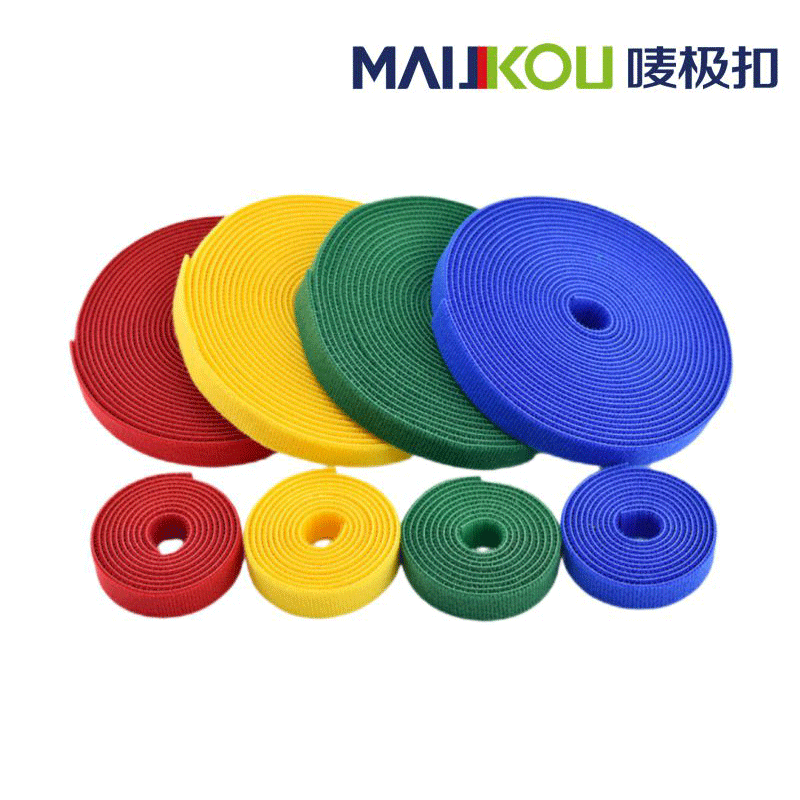
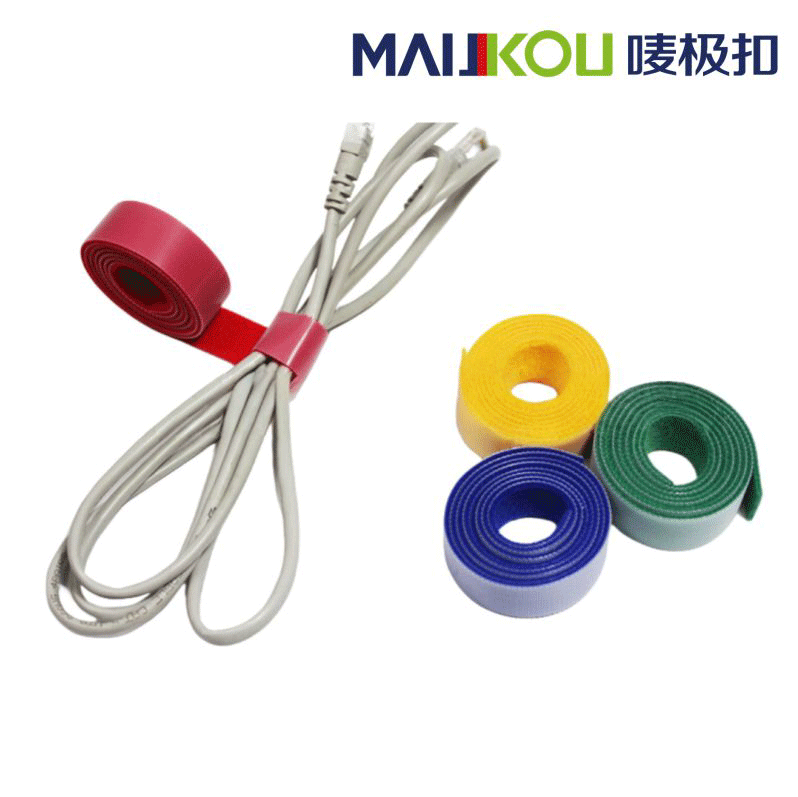
Advanced composite materials manufacturing overview

Why Choose Us for Composite Material Solutions

Engineered for Performance

Our unique composites are designed to meet rigorous industry standards. We prioritize material science innovation to deliver products that withstand extreme conditions, ensuring your final assembly performs reliably under stress.

Scalable Production Capacity

With state-of-the-art manufacturing facilities, we support orders of all sizes. Whether you need prototyping runs or high-volume production, our supply chain is optimized for consistency and on-time delivery.

Cost-Effective Engineering

We help you optimize your landed cost by selecting the most efficient composite layups and resin systems. Our expertise reduces waste and improves processing times, translating to direct savings on your BOM.

Quality & Manufacturing Standards for Composites

Quality assurance is the backbone of successful composite procurement. Our manufacturing process adheres to strict quality control protocols, ensuring every batch of unique composites meets specified mechanical properties. From raw material inspection to finished goods testing, we maintain full traceability.

Rigorous testing procedures include tensile strength analysis, flexural testing, and impact resistance checks. This comprehensive approach minimizes the risk of field failures and protects your brand reputation. We work closely with engineering teams to validate material performance against specific application requirements.

Our commitment to consistent composite manufacturing means you receive uniform material properties across large orders. This reliability simplifies your production planning and reduces the need for excessive safety factors in your designs, allowing for more efficient use of material resources.

Composite quality control and manufacturing facility

How to Choose the Right Composite Supplier

Technical Expertise & R&D Capability

Evaluate your supplier's ability to innovate. A strong R&D team can help you develop custom composite solutions tailored to your specific needs, rather than forcing you to adapt your design to their existing catalog. Look for partners who invest in material science research.

Production Flexibility & Scalability

Your supplier should accommodate volume fluctuations without compromising quality. Check if they have the infrastructure to handle both low-volume prototyping and high-volume production runs seamlessly, ensuring a smooth transition from development to mass production.

Supply Chain Transparency

Visibility into the supply chain is crucial for risk management. Choose suppliers who provide clear documentation on raw material origins, lead times, and quality certifications. This transparency helps you anticipate disruptions and plan inventory effectively.

After-Sales Support & Communication

Responsive communication is key to resolving issues quickly. Ensure your supplier has dedicated account management and technical support teams available to address queries, modify specifications, or handle returns efficiently.

Buyer Decision Checklist for Composite Sourcing

Material Certification: Verify that all composite materials come with certified test reports detailing mechanical properties, chemical composition, and compliance with relevant industry standards.

Sample Testing: Always request physical samples for internal testing before committing to large orders. Validate that the material performs as expected in your specific application environment.

Lead Time Reliability: Assess the supplier's historical on-time delivery rate. Consistent lead times are vital for maintaining your production schedule and avoiding costly downtime.

Pricing Structure: Understand the total cost of ownership, including shipping, tariffs, and potential waste. Transparent pricing models help avoid hidden costs during negotiations.

Customization Capability: Ensure the supplier can accommodate custom dimensions, colors, and formulations. Flexibility in customization is often a differentiator between good and great suppliers.

Supplier Recommendations for Unique Composites

Evaluate Technical Support

Prioritize suppliers who offer dedicated engineering support. They should be able to guide you through material selection, design optimization, and troubleshooting manufacturing challenges. This partnership approach adds significant value beyond simple transactional buying.

Check Industry Experience

Look for suppliers with a proven track record in your specific industry. Experience in sectors like automotive, aerospace, or construction indicates they understand the unique regulatory and performance demands of those fields.

Assess Sustainability Practices

Increasingly, sustainability is a key procurement factor. Choose suppliers who utilize eco-friendly resins, recycling programs, or energy-efficient manufacturing processes. This aligns with corporate social responsibility goals and may open up new market opportunities.

Industry Applications for Advanced Composites

Automotive & Transportation

Lightweighting initiatives drive demand for composites in vehicle bodies, interiors, and structural components. Reduced weight improves fuel efficiency and extends battery range in electric vehicles.

Aerospace & Defense

High strength-to-weight ratios make composites ideal for aircraft fuselages, wings, and military equipment. They offer superior durability and resistance to harsh environmental conditions.

Construction & Infrastructure

Reinforcement bars, panels, and structural elements made from composites provide corrosion resistance and long-term durability, reducing maintenance costs for bridges and buildings.

Marine & Offshore

Resistance to saltwater corrosion makes composites perfect for boat hulls, deck fittings, and offshore platform components. They offer longevity in harsh marine environments.

Consumer Electronics

Thin, strong, and aesthetically pleasing composites are used in smartphone casings, laptop shells, and wearable devices. They provide drop protection while maintaining slim profiles.

Sports & Recreation

High-performance gear like bicycle frames, tennis rackets, and fishing rods benefit from the stiffness and lightness of advanced composites, enhancing athlete performance.

Common Problems in Composite Procurement

Inconsistent Material Properties

Variations in fiber alignment or resin mixing can lead to weak spots. Mitigate this by working with suppliers who have robust quality control systems and regular third-party testing.

Long Lead Times

Custom composite fabrication can be time-consuming. Plan ahead by establishing long-term supply agreements and maintaining safety stock for critical components.

High Initial Costs

While often cheaper over the lifecycle, upfront costs for composites can be higher than traditional materials. Focus on total cost of ownership calculations to justify the investment.

Recycling Challenges

End-of-life disposal of composites can be difficult. Partner with suppliers who offer take-back programs or utilize recyclable thermoplastic composites to address environmental concerns.

Frequently Asked Questions About Composites

What are the main advantages of using unique composites over metal?

Unique composites offer a significantly higher strength-to-weight ratio, meaning they are much lighter than metals while providing comparable or superior strength. They also exhibit excellent corrosion resistance, fatigue endurance, and design flexibility, allowing for complex shapes to be molded in a single process.

How do I ensure the quality of composite materials from a new supplier?

Request detailed material data sheets and certification reports. Ask for sample batches for internal testing to verify mechanical properties. Conduct an on-site audit of their manufacturing facility to assess their quality control processes and equipment capabilities.

Can composites be customized for specific thermal or electrical properties?

Yes, one of the greatest benefits of composites is their tailorability. By selecting different resins, fibers, and layup schedules, engineers can customize thermal expansion coefficients, electrical conductivity, and fire resistance to meet exact application requirements.

What is the typical lead time for custom composite orders?

Lead times vary based on complexity and volume. Standard off-the-shelf items may ship within days, while custom fabricated parts can take several weeks depending on curing times, tooling requirements, and production scheduling. Discuss timelines early in the sourcing process.

Are composite materials environmentally friendly?

While traditional thermoset composites pose recycling challenges, the industry is evolving. Many suppliers now offer recyclable thermoplastics, bio-based resins, and take-back programs. Using composites can also contribute to sustainability by enabling lightweighting, which reduces energy consumption in transportation applications.

  • Send Inquiry

Copyright © 2026 RUIAN YILI RIBBON CO., LTD All rights reserved. Privacy Policy

We will contact you immediately

Fill in more information so that we can get in touch with you faster

Privacy statement: Your privacy is very important to Us. Our company promises not to disclose your personal information to any external company with out your explicit permission.

Send