

Please Leave Us A Message
Privacy statement: Your privacy is very important to Us. Our company promises not to disclose your personal information to any external company with out your explicit permission.


Woolen materials are high-quality textiles crafted from the fleece of sheep and other animals like cashmere, alpaca, or mohair. Known for their natural warmth, breathability, and moisture-wicking properties, these fabrics are essential in the fashion and textile industries. For B2B buyers seeking premium woolen materials, understanding the distinction between worsted and woolen weaves is key to ensuring the right fit for your end product.
These materials provide exceptional thermal insulation and durability, making them ideal for cold-weather apparel, heavy-duty blankets, and luxury outerwear. When sourcing woolen materials wholesale, buyers benefit from a sustainable, biodegradable fiber that meets modern environmental standards while delivering superior comfort.
Our woolen materials are sourced from top-tier global suppliers, ensuring consistent quality and long-lasting performance. By choosing our bulk woolen materials, you reduce the risk of defects and ensure your final products meet the highest industry standards.
We prioritize eco-friendly practices by offering woolen materials that are ethically sourced and free from harmful chemicals. This allows your brand to align with sustainability goals while maintaining a competitive edge in the market.
From specific wool blends to custom dyeing services, our woolen materials can be tailored to your exact specifications. This flexibility ensures that your procurement process is streamlined and perfectly suited to your unique requirements.
We offer highly competitive pricing for large-scale orders without compromising on quality. Our efficient supply chain ensures timely delivery, helping you manage inventory costs and avoid production delays.
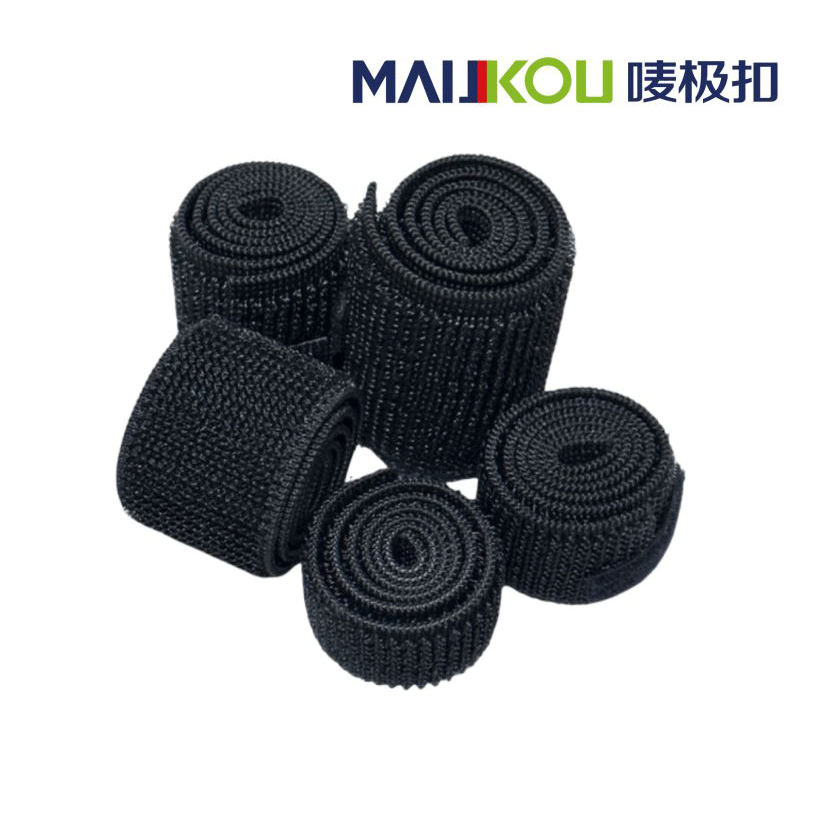
Every batch of woolen materials undergoes strict testing for fiber strength, colorfastness, and shrinkage resistance. Our advanced manufacturing facilities utilize state-of-the-art machinery to ensure uniform texture and density across all rolls.
Buyer Benefit: This rigorous QC process means you receive consistent materials every time, minimizing waste and ensuring a smooth production workflow for your garments or home textiles.
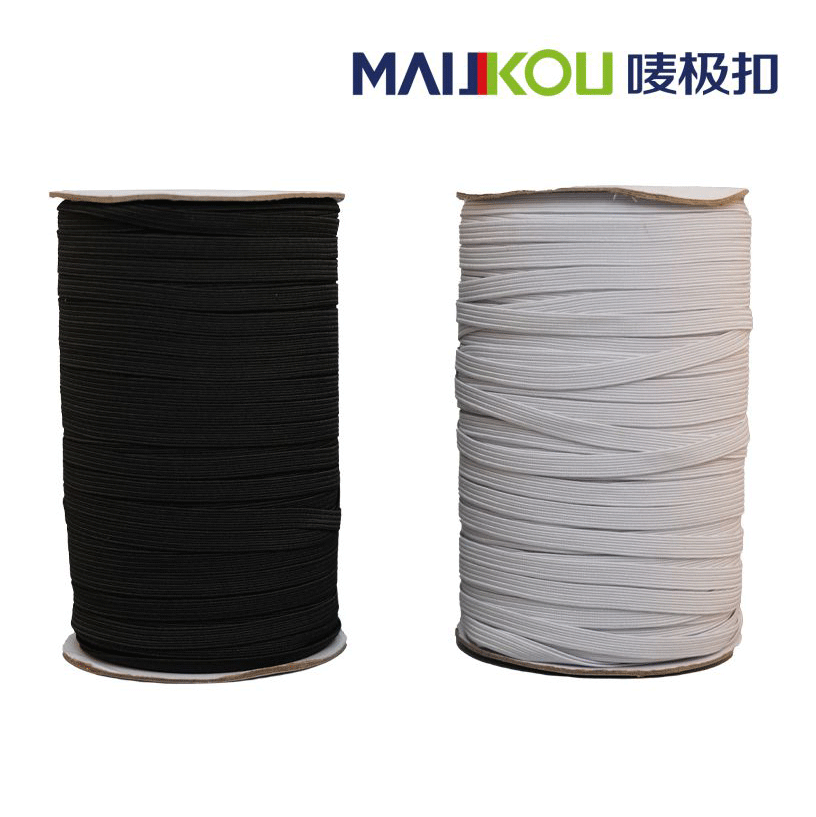
Selecting the right woolen material involves considering factors such as fiber origin, weave type, and intended application. Whether you need lightweight merino for activewear or heavy-duty tweed for outerwear, understanding these nuances is crucial.
Buyer Benefit: Our expert team provides detailed guidance to help you match the perfect wool blend to your specific design needs, ensuring optimal performance and customer satisfaction for your end users.
Verify if the material is 100% wool, a blend, or includes synthetic fibers. Check for certifications like RWS (Responsible Wool Standard) to ensure ethical sourcing.
Ensure the GSM (grams per square meter) matches your product requirements. Heavier weights are ideal for coats, while lighter options suit suits and dresses.
Test for color retention after washing and exposure to light. High-quality dyes prevent fading and bleeding, maintaining the aesthetic appeal of your final products.
Look for pre-shrunk or treated woolen materials to minimize dimensional changes during the first wash, reducing returns and complaints from end consumers.
Choose suppliers with a proven track record of on-time delivery and responsive customer service. Reliable partners help mitigate supply chain risks.
Always request physical samples before placing bulk orders. Hands-on testing allows you to assess texture, softness, and overall quality firsthand.
Look for suppliers with extensive international networks and established relationships with major wool-producing regions like Australia and New Zealand. These connections often translate to better pricing and priority access to premium raw materials.
Consider companies that specialize exclusively in wool processing. Their deep expertise in carding, spinning, and weaving techniques ensures a higher level of craftsmanship compared to generalist textile mills.
Used in high-end suits, coats, skirts, and sweaters. The natural elasticity and drape of wool make it a favorite among luxury fashion brands.
Ideal for throw blankets, quilts, and upholstery. Wool's fire-resistant and hypoallergenic properties make it a safe choice for household use.
Increasingly used in car seats and headliners for its acoustic insulation and thermal regulation capabilities, providing a premium feel to vehicle interiors.
Essential for hiking jackets, gloves, and socks due to its ability to retain warmth even when wet, ensuring safety and comfort in harsh conditions.
Utilized in bandages and therapeutic wraps for its antimicrobial properties and gentle nature against sensitive skin.
Applied in pipe and building insulation for its excellent thermal retention and fire-resistant characteristics, contributing to energy efficiency.
The most common types include Merino, Cashmere, Alpaca, and Mohair. Merino is prized for its softness, while Cashmere offers exceptional luxury and warmth. Alpaca is known for its durability and water resistance, and Mohair adds a distinctive luster to fabrics.
To maintain quality, store woolen items in a cool, dry place away from direct sunlight. Use breathable garment bags and consider cedar blocks to deter moths. Always follow care labels regarding washing temperatures and drying methods to prevent shrinkage.
Yes, many woolen materials like Merino and Cashmere are naturally hypoallergenic and very soft, making them suitable for sensitive skin. However, some coarser wools may cause irritation, so it's important to select the appropriate grade for your target audience.
Absolutely. Wool is one of the most recyclable fibers available. It can be reused in various forms, including insulation, felt, and new yarns, supporting a circular economy and reducing textile waste.
Privacy statement: Your privacy is very important to Us. Our company promises not to disclose your personal information to any external company with out your explicit permission.
Fill in more information so that we can get in touch with you faster
Privacy statement: Your privacy is very important to Us. Our company promises not to disclose your personal information to any external company with out your explicit permission.